


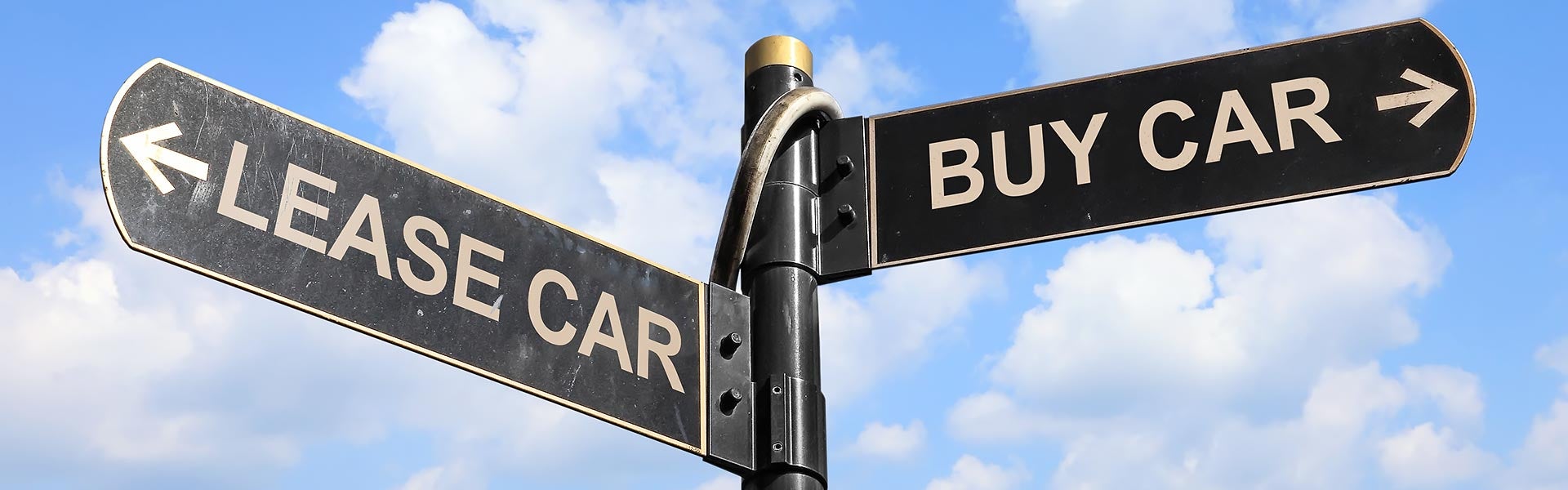
What Does It Mean to Lease a Vehicle?
Leasing is essentially a long-term rental agreement. You make monthly payments to drive a new vehicle for a set period—typically 2 to 3 years—and then return it or choose to buy it out at the end of the term. One of the key vehicle lease benefits is that your monthly payments are generally lower than what you'd pay when financing a purchase.
Leasing also keeps you in a newer vehicle more often, which means you can enjoy the latest safety features, technology, and updated styling on a regular cycle. For drivers in North Olmsted, Ohio who like having the newest options without a long-term commitment, leasing can be a smart fit.
What Does Buying a Vehicle Look Like?
When you buy a vehicle, you're working toward full vehicle ownership. You can pay cash or use financing to spread the cost over time. Once the loan is paid off, the vehicle is yours outright—no more monthly payments, no mileage restrictions, and no return date on the calendar.
Buying tends to make more sense if you plan to keep the vehicle for many years or if you put a lot of miles on it. Customizing or modifying your vehicle is also much more straightforward when you own it outright. The long-term cost of ownership can be lower than leasing over time, especially if you drive the vehicle well beyond the loan payoff date.
Comparing Monthly Payments and Long-Term Costs
One of the most common parts of the lease comparison is looking at monthly payments side by side. Lease payments are typically lower because you're only paying for the portion of the vehicle's value you use during the lease term. With car financing on a purchase, your monthly payments are higher, but each one builds equity toward full ownership.
If keeping monthly payments manageable is a priority, leasing can feel more accessible, especially on premium trims like the GMC Sierra Denali or Yukon Denali. If you prefer paying off the vehicle and eliminating that monthly expense eventually, buying offers a clear finish line.
Which Option Fits Your Lifestyle?
The lease vs. buying decision often comes down to your habits. If you’d like to upgrade your vehicle every few years, prefer lower monthly payments, and don't drive more than 10,000 to 15,000 miles per year, leasing may work well. If you drive long distances, want flexibility in how you use or personalize your vehicle, or plan to keep it for the long haul, buying is likely the better fit.
It's also worth noting that GMC's current financing offers, including promotional APR rates on models like the 2026 Sierra 1500, can make car financing very competitive. Vehicle lease benefits and purchase incentives both change regularly, so it's worth reviewing current offers before making your decision.
Making the Right Call for Your Next GMC
Whether you're drawn to the flexibility of a lease or the long-term value of vehicle ownership, there's no single right answer for everyone. The best choice is the one that matches your budget, driving habits, and plans for your vehicle.
If you're still working through the lease vs. buying decision, the team at Morris Buick GMC is ready to help you explore your options and find the path that makes the most sense for you. Stop by the dealership in North Olmsted, Ohio, or reach out today to get started.